Repetitive work
Reduce time spent copying information, creating routine documents, updating systems, or completing other predictable administrative tasks.

Sidecar helps companies identify practical opportunities for AI, automation, and connected technology, then turns the right opportunities into workflows the team can actually use.
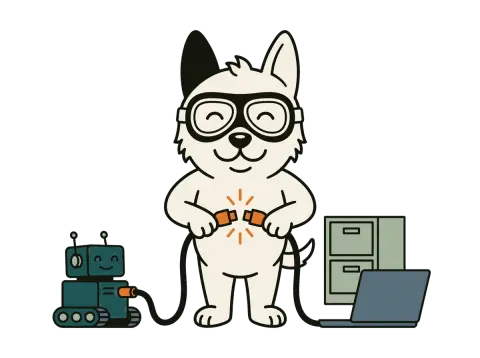
AI is creating new possibilities across nearly every part of business.
It is also creating noise.
Owners are being told to adopt new tools, automate more work, and rethink their companies. But the tools change quickly, the opportunities are not always obvious, and adding technology without understanding the work can create more friction instead of less.
Sidecar helps you step back, examine the business, and determine where AI or automation can create meaningful value.
The best solution begins with understanding how work currently gets done.
Sidecar examines key processes, decisions, handoffs, systems, and information flows before recommending technology.
We look for opportunities to reduce repetitive work, connect systems, improve access to knowledge, strengthen visibility, and build capacity without unnecessary complexity.
Sometimes the right solution uses AI. Sometimes it is automation, an integration, a custom workflow, or a clearer process.
The objective is not to use more technology. It is to make the company work better.
Reduce time spent copying information, creating routine documents, updating systems, or completing other predictable administrative tasks.
Make important company knowledge easier to find, understand, and use without relying on one person’s memory.
Improve the movement of information between people, departments, and systems so work does not disappear between handoffs.
Create faster, clearer, and more consistent interactions without removing human judgment where it matters.
Bring information together so leaders can understand performance and make decisions without manually assembling every report.
Build focused tools or workflows when off-the-shelf software does not adequately support how the company operates.
Not every possible automation is worth building.
Sidecar evaluates opportunities based on factors such as:
This helps separate practical improvements from interesting ideas that are unlikely to create enough value.
Understand where technology could reduce friction, improve capacity, or strengthen the way the business operates.
Identify which opportunities deserve attention now, which should wait, and which should not be pursued.
Receive a sequenced plan covering recommended solutions, dependencies, ownership, implementation considerations, and meaningful milestones.
Know when to use existing software, connect current systems, introduce AI, or consider a custom solution.
AI & Automation applies Sidecar’s Analysis & Strategy process to the workflows, systems, and opportunities in scope. It produces a prioritized Strategy Plan for what to improve, connect, automate, or build. If implementation support would be valuable, Sidecar may recommend an initial 90-day Consulting engagement.
A new tool does not fix unclear ownership, inconsistent processes, or poor information.
Sidecar considers the larger operating environment around every solution:
This is what turns a promising technology into a useful business capability.
AI & Automation works best when there is a meaningful process, workflow, or business opportunity to examine.
If the company’s broader constraints are still unclear, the Sidecar Business Check-Up may be the better starting point.
Understand where AI and automation can create real value, what should be prioritized, and what it will take to implement successfully.
We use Google Analytics to see which pages are useful. You can opt out at any time. Analytics is off for this browser. You can turn it back on at any time.